

Cultivating Wellness With Simple Garden Tips And Advice
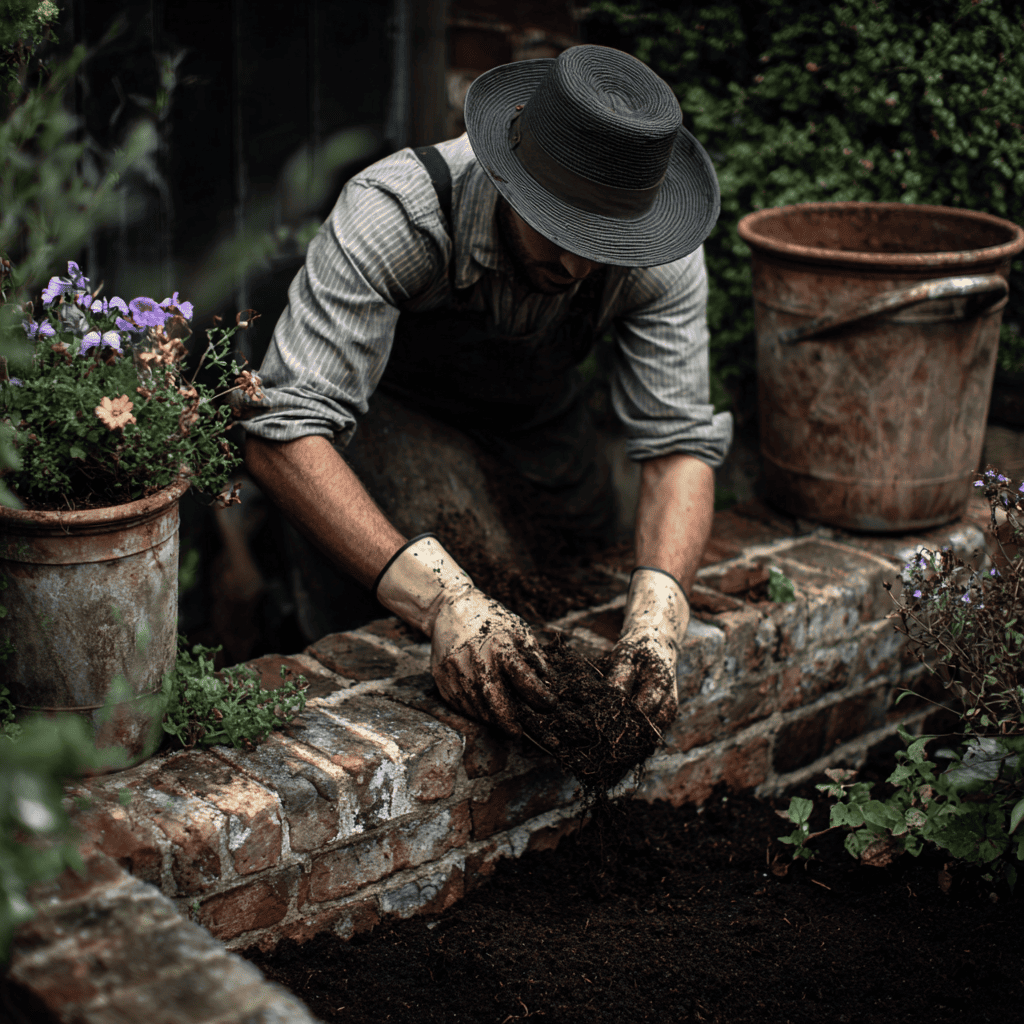
There is a quiet kind of magic that happens the moment your hands meet the soil. It is a sensory experience that grounds us, pulling our attention away from the buzzing notifications of modern life and into the simple, profound present. As we sift the cool earth through our fingers, we aren’t just preparing a bed for seeds; we are preparing a space for peace to take root in our own hearts. Whether you are tending to a sprawling backyard or a few pots on a sunny windowsill, the garden is a universal healer. And with reliable tools like those from Gradina, the transition from indoor life to outdoor sanctuary becomes seamless, allowing us to focus purely on the nurturing dialogue between human and nature. This is the essence of the healing harvest—a practice where garden tips and advice become synonymous with lifestyle medicine.
The Garden As A Living Sanctuary
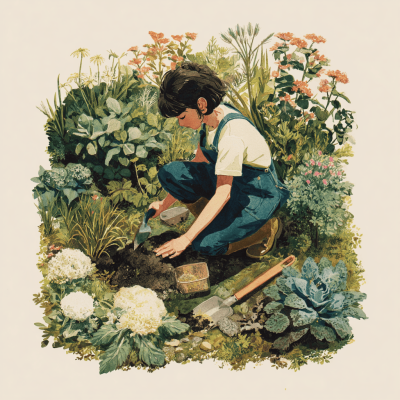 In our fast-paced world, finding a quiet moment can feel like a luxury. Yet, a garden offers this luxury freely, no matter its size. It is a living sanctuary that invites us to slow down and breathe. When you step outside with the intention to simply be with your plants, you are engaging in a form of sensory immersion. The vibrant green of a thriving fern, the fuzzy texture of a lamb’s ear leaf, the cheerful song of a visiting sparrow—these elements anchor you in the “now.”
Mindfulness in the garden isn’t about achieving a perfectly manicured landscape; it is about the process. It’s about noticing the way morning light filters through the petals of a rose or observing the determined path of an ant across a stone path. By focusing on these small, intricate details, the mental chatter of daily stressors fades into the background, replaced by a calming sense of wonder. The garden teaches us that growth is gradual and that there is beauty in every stage of development—a gentle metaphor for our own personal healing journeys.
Starting A “Sensory” Garden Ritual
One of the most accessible pieces of garden tips and advice for mindfulness is to create a sensory garden space dedicated to your well-being. This isn’t about planting rows of vegetables for harvest, but rather curating a collection of plants specifically chosen to engage your senses and evoke calm.
-
Sight: Plant flowers in soothing color palettes, such as lavenders, soft pinks, and whites. Consider the movement of ornamental grasses that dance in the wind, providing a visual focal point for meditation.
-
Smell: Include intensely fragrant herbs and flowers. Lavender is renowned for its calming properties, while the scent of rosemary can sharpen the mind and uplift the spirit. Mint, with its fresh aroma, is invigorating yet soothing.
-
Touch: Incorporate plants with varied textures. The velvety leaves of sage, the sturdy stalks of basil, and the delicate fronds of ferns invite you to interact physically with your garden, deepening your connection.
-
Sound: Add elements that create a peaceful soundscape. A small, bubbling water fountain can mask distracting city noise. Alternatively, plants like bamboo or tall grasses create a soft rustling sound that is incredibly therapeutic.
-
Taste: Even in a sensory garden, taste plays a role. A single cherry tomato plant or a pot of lemon balm for teas allows you to engage your palate, reminding you that the garden is a source of nourishment in every sense.
The Art Of Mindful Harvesting
Harvesting is often seen as the finale of the gardening season, but when viewed through the lens of mindfulness, it becomes a sacred ritual of gratitude. As you prepare to gather the fruits of your labor, approach the task with intention rather than routine. This practice transforms simple garden tips and advice into a ceremony of abundance.
Before you begin, stand quietly in your garden and observe. Notice which plants are ready to give and which need more time. When you do start to harvest, do so slowly. Use clean, sharp tools to make precise cuts, thanking the plant for its offering. If you are harvesting herbs like basil or mint, take a moment to rub a leaf between your fingers and inhale deeply, allowing the essential oils to awaken your senses.
This mindful approach extends to how we handle the harvest. Instead of rushing to collect as much as possible, take only what you need. This sustainable practice honors the plant’s life cycle and ensures continued growth. The act of carrying your harvest inside—whether it’s a handful of leafy greens, a bouquet of zinnias, or a basket of crisp apples—becomes a moment of profound satisfaction and connection to the earth’s cycles.
Simple Garden Practices For Daily Grounding
You don’t need hours of free time to benefit from the therapeutic power of gardening. Integrating small, mindful moments into your daily routine can have a cumulative effect on your mental health. Here are a few simple practices to try:
- The Morning Check-In: Start your day by stepping into the garden for just five minutes with a cup of tea. Don’t bring a to-do list. Just observe. Notice what has changed since yesterday. A new bloom? A dew-kissed spiderweb? This sets a calm, observant tone for the day ahead.
- Mindful Weeding: Instead of viewing weeding as a chore, see it as an opportunity for focused attention. As you gently remove unwanted plants, focus on the physical sensations—the pull of the root, the smell of disturbed earth, the warmth of the sun on your back. It becomes a moving meditation.
- Gratitude Watering: When you water your plants, do it with gratitude. As the water flows from your watering can or hose, visualize it not just hydrating the soil, but also nourishing your own spirit. Acknowledge the life you are sustaining and the life that sustains you in return.
Nurturing Yourself As You Nurture The Earth
Ultimately, the garden is a mirror. The patience we extend to a struggling seedling, we learn to extend to ourselves during difficult times. The forgiveness we show a plant that didn’t thrive teaches us to be gentle with our own perceived failures. The joy we feel at the first sign of spring becomes a reminder that renewal is always possible.
By approaching our green spaces with intention and mindfulness, we cultivate more than just plants; we cultivate resilience, peace, and a profound sense of connection. So, the next time you step outside with your trowel and gloves, remember that you are not just a gardener. You are a healer, tending to the most important garden of all: the one within. Let the earth ground you, the sun warm you, and the simple act of growing something beautiful remind you of the simple, healing magic of life itself.
